What is Parkinson’s?
Parkinson’s disease (PD) is a progressive neurodegenerative disorder that primarily affects movement. It occurs when nerve cells in a part of the brain responsible for producing dopamine begin to die. Dopamine is a critical chemical messenger that helps regulate movement, coordination, and many other functions. As dopamine levels decline, the brain’s ability to control movement becomes increasingly impaired. Over time, as more cells are lost, symptoms gradually worsen.
Common Motor Symptoms
- Tremor (shaking)
- Muscle rigidity (stiffness)
- Bradykinesia (slowness of movement)
- Postural instability (balance and coordination challenges)
Common Non-Motor Symptoms
- Sleep disturbances
- Digestive issues (e.g., constipation)
- Depression and anxiety
- Cognitive changes, including memory challenges and dementia
- Sexual dysfunction, including reduced libido, performance challenges, or changes related to both neurological and medication effects (this is common and can often be addressed with the right support and care)
While there is currently no cure for Parkinson’s disease, a range of treatments—including medications, surgical options, and therapeutic and recreational programs—can help manage symptoms and improve quality of life.
Key Facts About Parkinson’s in Canada & Ontario
- More than 110,000 Canadians are living with Parkinson’s disease, and this number is rising.
- Over 30 people are diagnosed every day in Canada—that’s more than 11,000 new diagnoses each year.
- By 2034, the number of people living with Parkinson’s in Canada is expected to double, making it one of the fastest-growing neurological conditions in the country.
- Ontario has the highest number of people living with Parkinson’s, with an estimated 45,000+ individuals affected.
- Parkinson’s is more common with age, with approximately 85% of diagnoses occurring after age 65, though younger people can also be affected (young-onset Parkinson’s occurs before age 50).

Health & Economic Impact
- Parkinson’s places a significant burden on the healthcare system, with substantially higher healthcare costs compared to individuals without neurological conditions.
- People living with Parkinson’s often face high out-of-pocket expenses, including medications, therapies, and caregiving support.
- Many individuals experience a progressive loss of independence, often requiring increased levels of care over time.
Cognitive & Mental Health
- Non-motor symptoms such as depression, anxiety, cognitive impairment, and changes in sexual health are common and can significantly impact quality of life.
- The risk of dementia increases in later stages of the disease.
Role of Exercise & Support
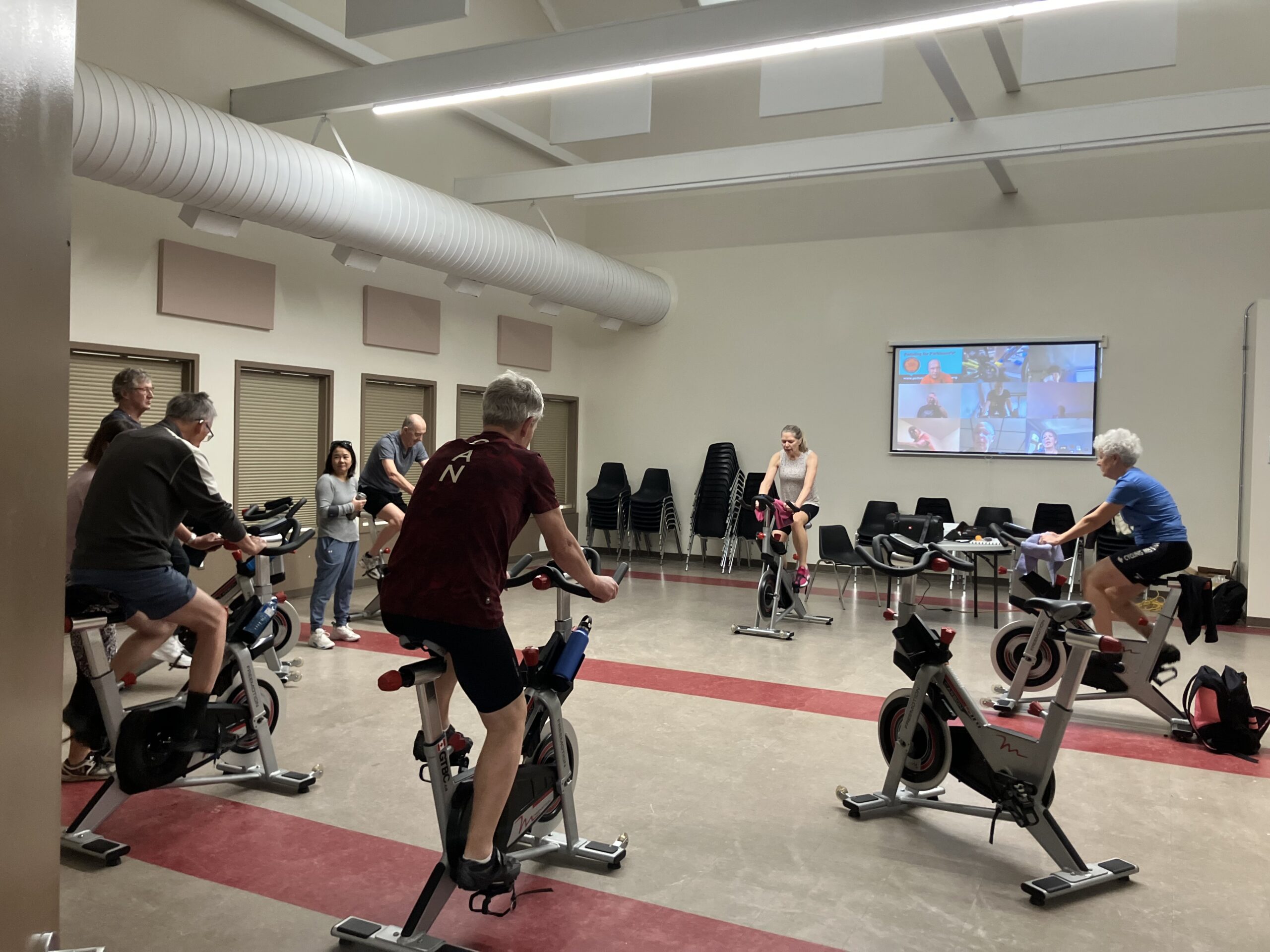
- Due to limitations of medication over time, exercise is one of the most effective tools available to help manage Parkinson’s.
- Regular physical activity can:
- Improve mobility and balance
- Support cognitive function
- Potentially slow disease progression
- Reduce isolation and improve mental well-being
Quality of Life
- Parkinson’s can lead to a loss of healthy years and reduced life expectancy, particularly without access to early intervention, specialized care, and supportive programs.
Impact on Care Partners
- Caring for someone with Parkinson’s can be demanding. Caregiver stress is significantly higher for those supporting individuals with neurological conditions, especially when cognitive decline is present.